


What Are the Epstein Files? DOJ Documents Explained as New Files Are Released
The term “Epstein files” has surged back into headlines after reports that new Epstein files have been released, drawing public attention once again to the case of Jeffrey Epstein and the role of the U.S. Department of Justice (DOJ).
But what are the Epstein files, what do they actually contain, and what do they not prove?
Here’s a clear, fact-based breakdown.
What Are the Epstein Files?


The Epstein files refer to a collection of court records, filings, depositions, exhibits, and investigative documents connected to Jeffrey Epstein and related legal cases.
These documents come from:
Federal and state court proceedings
Civil lawsuits
DOJ-related filings
Evidence linked to Ghislaine Maxwell’s conviction
Some files are publicly available, while others have been sealed, redacted, or gradually released through court orders.
New Epstein Files Released: What Does That Mean?
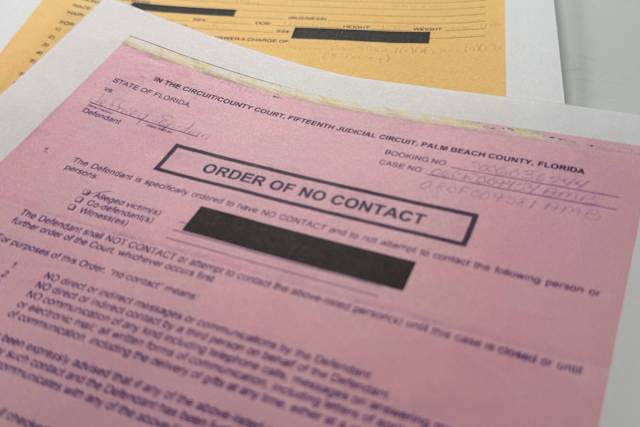

When headlines say “new Epstein files released”, it usually means:
Previously sealed documents were unsealed by a judge
Additional names or references became visible
Redactions were reduced, not removed entirely
Importantly:
Being named in Epstein files does NOT mean someone committed a crime.
Many names appear due to:
Contact lists
Flight logs
Depositions mentioning third parties
Social or professional associations
DOJ and the Epstein Files


The Department of Justice (DOJ) plays a central role in:
Prosecuting Epstein (before his death in 2019)
Prosecuting Ghislaine Maxwell, who was convicted in 2021
Managing evidence and court filings
Documents released via justice.gov or federal courts often get labeled online as “DOJ Epstein files”, even when they originate from civil cases.
Why So Many Famous Names Appear in Epstein Files



Search trends frequently connect the Epstein files with high-profile figures such as:
Politicians
Business leaders
Celebrities
Media and cultural figures
This includes repeated searches involving:
Bill Gates, Donald Trump, Prince Andrew, Jay-Z, Harvey Weinstein, Woody Allen, Les Wexner, and others.
⚠️ Key clarification
Presence in documents does not equal guilt.
Only a small number of individuals were ever charged or convicted in connection with Epstein-related crimes.
Epstein, Trump, and the Epstein Files



Searches like “Trump Epstein files” or “Donald Trump Epstein news” often spike when documents are released.
Public records show:
Epstein and Trump moved in overlapping social circles in the 1990s
No criminal charges have been brought against Trump related to Epstein
Mentions in documents are contextual, not legal findings
The same standard applies to all named individuals.
Bill Gates, Melinda Gates, and Epstein Mentions

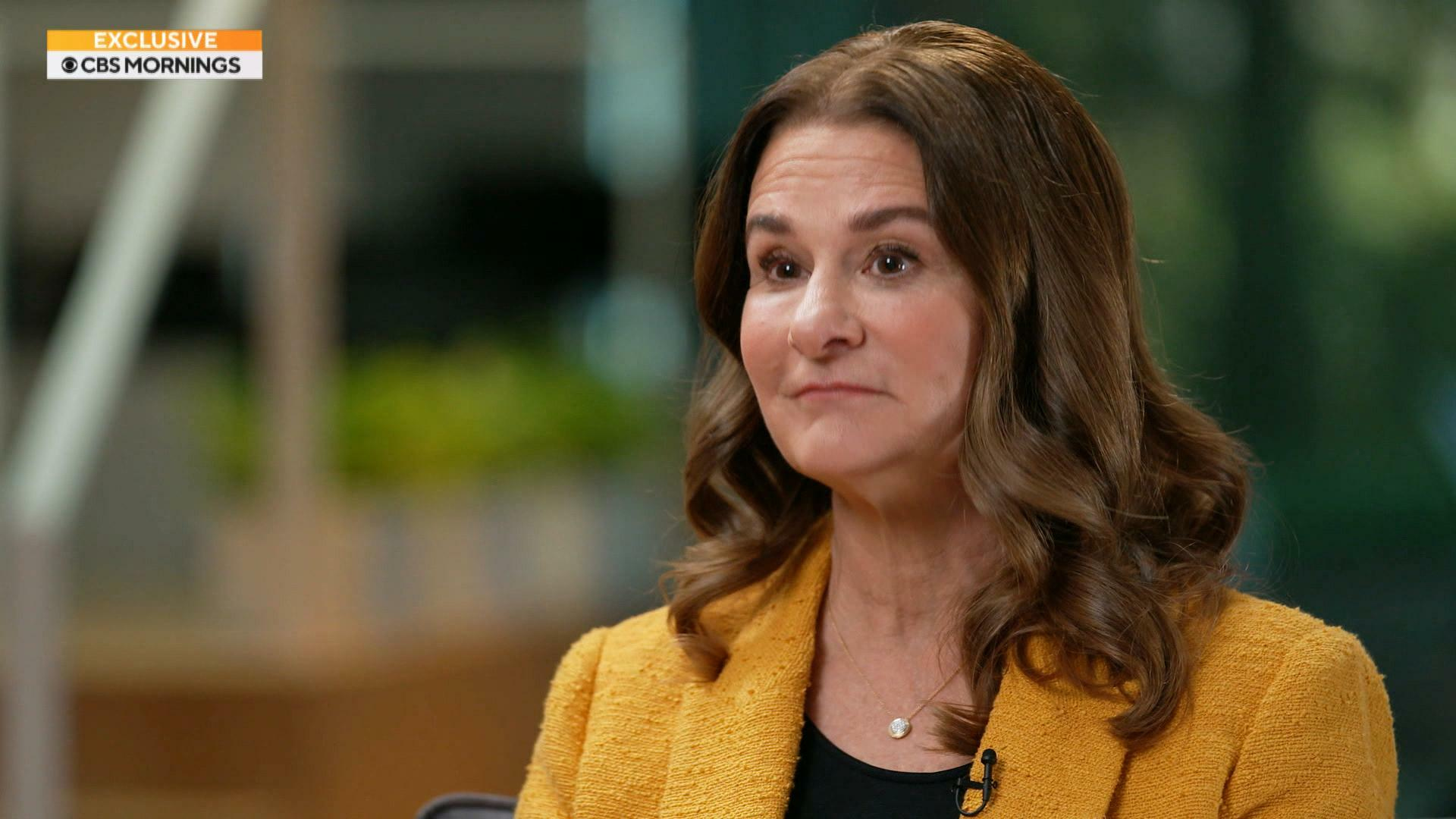

Bill Gates Epstein searches surged after Gates acknowledged past meetings with Epstein, which he later called a mistake.
Facts:
Gates has denied any wrongdoing
No charges or legal actions were filed against him
Mentions appear in reporting and depositions, not indictments
Ghislaine Maxwell and Convicted Crimes


Ghislaine Maxwell is the only Epstein associate to be criminally convicted.
She was found guilty of:
Sex trafficking of minors
Conspiracy related to Epstein’s crimes
Her case is the legal foundation for many Epstein-related document releases.
Are Epstein Files Available as PDFs?
Yes, many Epstein files PDFs circulate online, but readers should be careful.
Best practices:
Use official court sources
Verify documents through trusted reporting
Be cautious of altered or misleading PDFs shared on social media
Why the Epstein Files Keep Returning to the News
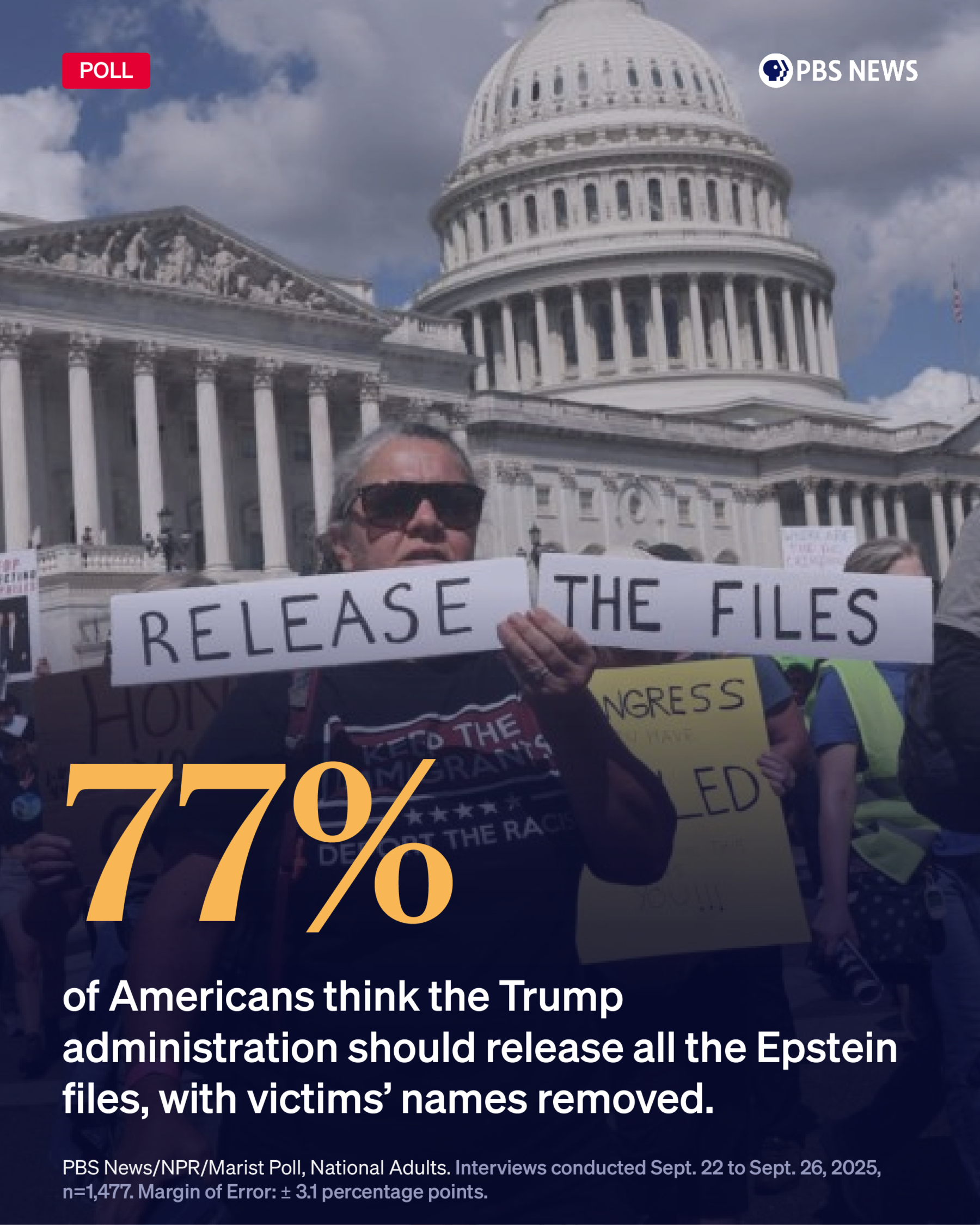

Interest resurges because:
Courts periodically unseal records
Public pressure for transparency remains high
Epstein’s crimes involved power, secrecy, and systemic failure
Each release renews debate about accountability vs. speculation.
Final Thoughts: What the Epstein Files Really Represent
The Epstein files are not a single list or “client roster.”
They are a complex archive of legal documents tied to one of the most disturbing criminal cases in modern U.S. history.
Understanding them requires:
Careful reading
Legal context
Avoiding assumptions
For clear, responsible coverage of major US news and document releases, keep following DOPOSTZ.Com 🇺🇸